
FIFO Tax Basics: What You Can and Cannot Claim
Working FIFO does not automatically make every travel, meal or equipment cost tax deductible. Learn which expenses may be claimable, which are normally private and what records you need to keep.
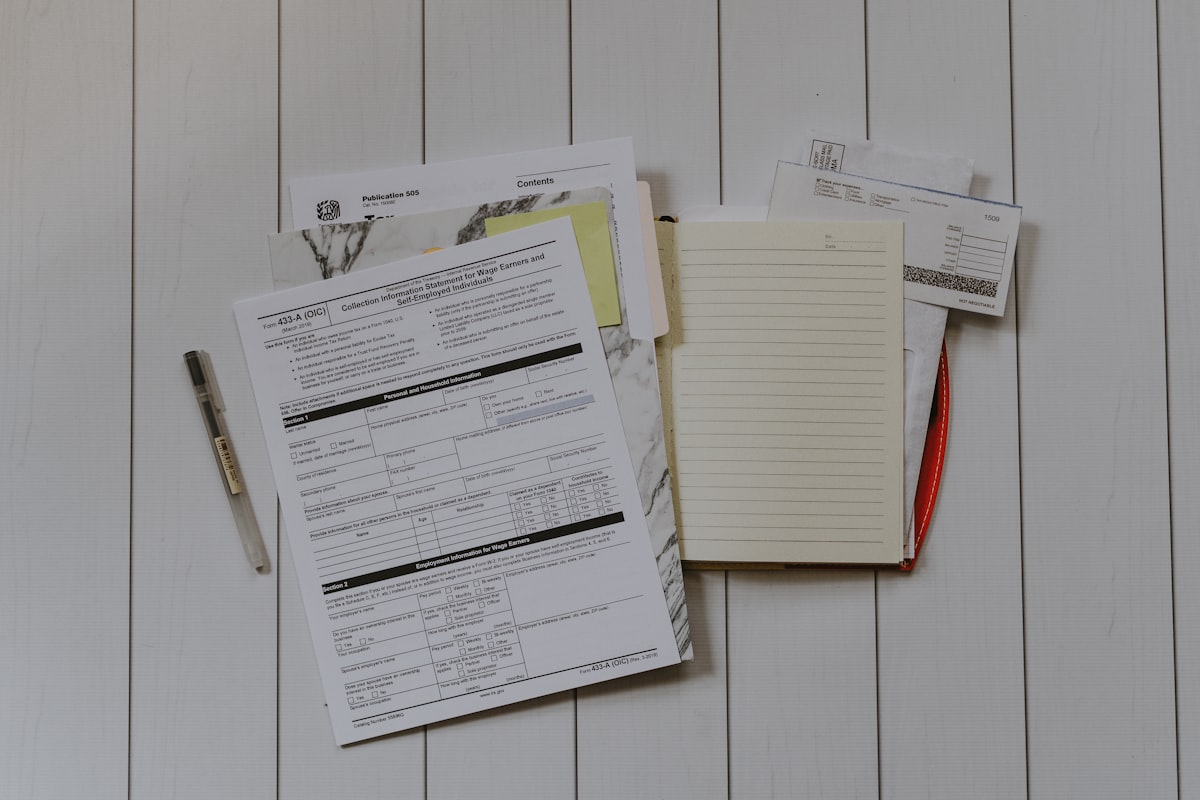
FIFO workers often spend money on travel, tools, protective equipment, licences and training. That does not mean every expense connected with a swing can be claimed at tax time.
Australian tax deductions depend on why you incurred the expense, how it relates to your current employment, whether your employer reimbursed you, how much of the expense was genuinely work-related, and whether you have the required records.
The distance between your home and the mine site does not automatically turn a private expense into a work deduction.
The safest approach is to understand the basic rules, keep good records throughout the year and obtain advice for anything that depends heavily on your personal circumstances.
The Three Basic Rules for Work Deductions
1. You Must Have Paid the Expense Yourself
You generally cannot claim an expense when your employer paid it directly, your employer reimbursed you, another person paid it for you, or you expect to be reimbursed. You cannot receive the money back from your employer and then claim the same expense again through your tax return.
2. The Expense Must Be Directly Related to Earning Your Employment Income
The cost must have a genuine connection with the work you currently perform. An expense is not deductible simply because it helped you get ready for work, your employer required you to have it, you incurred it while living away from home, or it made you a stronger future candidate. Some compulsory costs can still be private or relate to gaining new employment rather than earning income from your current role.
3. You Need Evidence
You need to be able to show what you purchased, how much you paid, when you paid it, how it relates to your employment, and how you calculated the work-related portion. A bank statement may show that a payment occurred, but it does not always explain what was purchased. Keep invoices or receipts where required.
Income and Allowances Must Also Be Checked
FIFO workers may receive more than their normal base wage — site allowances, travel allowances, living-away-from-home allowances, overtime meal allowances, tool allowances, shift penalties, bonuses, and other project or mobilisation payments.
Many allowances appear on your income statement and must be included in your tax return. Receiving an allowance does not automatically create an equal deduction — you can only claim the deductible work-related expenses you actually incur and can support.
A reimbursement is different from an allowance. If your employer repays the exact cost of an expense, you generally cannot also claim that expense.
FIFO Travel: The Most Common Area of Confusion
Travel is one of the biggest sources of incorrect FIFO tax claims. Workers often assume that travel must be deductible because the site is remote, the trip involves a flight, they would not travel there for personal reasons, or the employer selected the departure airport. That is not enough by itself.
The tax treatment depends on whether you are travelling from home to your regular workplace, travelling between workplaces, temporarily travelling in the course of your duties, or living away from home to attend your regular workplace. These situations are not treated the same way.
Can You Claim Travel from Home to the Airport?
For a typical FIFO arrangement, the cost of getting from home to the employer’s nominated departure point is generally private travel — fuel, public transport, taxi or rideshare, airport parking and vehicle expenses.
For example, a Perth-based worker drives from home to Perth Airport and then takes an employer-provided charter flight to their regular mine site. The drive and parking normally form part of the worker’s journey from home to work. The fact that the final workplace is remote does not automatically make the home-to-airport portion deductible.
A role described as FIFO ex Perth usually means the worker is responsible for getting themselves to Perth unless the employment agreement says otherwise.
Can You Claim Flights to Site?
You can only claim an expense you actually incur. If the employer arranges and pays for the flight, there is no cost for you to deduct.
If you purchase a flight yourself, its deductibility depends on the nature of the journey. Travelling from home to a regular FIFO workplace is normally private; travelling temporarily between work locations as part of your duties may be deductible; travelling to another site at your employer’s direction during an assignment may be deductible; travelling to your usual point of hire before starting the employer-provided journey is normally private.
Because travel cases can depend heavily on the employment arrangement, workers should obtain advice before claiming significant flight or accommodation expenses.
Travel Between Workplaces
Transport may be deductible when you travel directly between separate workplaces or work locations as part of your duties — one site to another during the workday, a workshop to a project location, temporary work activities away from your normal workplace, or between two employers without first returning home.
Only the work-related part can be claimed. If the employer pays or reimburses the journey, you cannot claim it again. Keep records showing the date, start and destination, reason for the trip, kilometres or fare, and whether any reimbursement was received.
The Bulky Tools Exception
In limited circumstances, travel between home and work may be deductible when a worker must transport bulky tools or equipment. This exception is narrower than many workers assume.
The equipment generally needs to be essential for performing the employment duties, bulky or difficult to transport, required to be carried by the worker, and unable to be securely stored at the workplace. Choosing to bring a personal toolbox home is not enough when secure storage is available on site. Carrying small hand tools, a laptop, PPE or personal luggage will not usually make ordinary home-to-work travel deductible.
Accommodation While Working FIFO
Accommodation can be deductible when an employee is genuinely travelling overnight in the course of performing their work duties. That is different from living away from home to attend a regular workplace.
For many rostered FIFO workers, the site is their regular place of employment during the swing. Camp accommodation and the cost of living near that workplace may therefore be private in nature, even though the worker maintains a home elsewhere. In practice, many employers provide camp accommodation directly, so the worker incurs no deductible expense.
You cannot claim accommodation provided by the employer, accommodation reimbursed by the employer, or an estimated value for accommodation that cost you nothing.
Meals During a Normal Shift
Food and drinks consumed during normal working hours are generally private expenses — before shift, during crib, after shift, at the airport, or while staying in camp. The fact that a worker is completing a 12-hour shift does not automatically make their meals deductible. You also cannot claim the value of meals provided free through the camp mess.
Overtime Meal Allowances
A worker may be able to claim an overtime meal expense where they receive an overtime meal allowance under an industrial instrument, the allowance is separately identifiable, they genuinely work the overtime, they purchase the meal because of that overtime, and the deduction meets the applicable tax rules.
The allowance does not automatically create a deduction. If you bring food from home and incur no additional expense, you cannot claim an estimated meal amount. The ATO publishes reasonable amounts for certain travel and overtime meal expenses, but these affect evidence requirements in specific situations — they are not automatic deductions workers can claim without spending the money.
Tools and Equipment
You may be able to claim tools and equipment you purchase and use to perform your employment duties — hand tools, power tools, measurement equipment, toolboxes, headlamps, job-specific electronic equipment, and repairs to work tools. You can only claim the work-related portion; if a tool is also used for personal projects, you need to divide the expense reasonably.
Items Costing $300 or Less
An item costing 300 Australian dollars or less may qualify for an immediate deduction where the ATO’s conditions are met. The item must generally be used mainly for producing employment income, not form part of a set costing more than 300 dollars, not be one of several substantially identical items exceeding the threshold, and not be reimbursed.
Items Costing More Than $300
A tool or piece of equipment costing more than 300 dollars is generally claimed through a deduction for its decline in value over time rather than as one immediate deduction. Keep the purchase record even after the year of purchase because the deduction can continue across multiple tax years.
Employer-Provided Tools
You cannot claim the value of tools supplied by your employer. You may be able to claim unreimbursed work-related costs for repairing, insuring or maintaining your own deductible tools.
Protective Equipment
FIFO and mining workers may be able to claim protective items purchased to reduce a real risk of injury or illness at work — safety glasses, protective gloves, hard hats, hearing protection, respirators, steel-cap boots, sunscreen, sunglasses, sunhats and other task-appropriate protective equipment.
The item must have a genuine protective function connected with the work environment. You cannot claim an item provided or reimbursed by the employer. If the equipment is also used privately, only the work-related portion can be claimed.
Work Clothing
Not every item worn at work is tax deductible. Potentially deductible categories include protective clothing, occupation-specific clothing, compulsory uniforms, and eligible registered non-compulsory uniforms.
Ordinary clothing is generally private, even when your employer requires a particular style or colour, you wear it only at work, it becomes dirty or damaged, or you would not normally choose to wear it — for example, conventional jeans, plain shirts, socks and standard activewear.
Protective clothing can be deductible where its design or features protect against specific work risks — fire-resistant clothing, high-visibility protective garments, heavy-duty protective overalls, and clothing designed for exposure to particular hazards. The classification depends on the actual item and its purpose, not simply where it was purchased.
Laundry and Cleaning
You may be able to claim the cost of washing, drying, ironing or dry-cleaning eligible work clothing — this applies only to clothing that is itself deductible. You cannot claim laundry costs for ordinary clothing simply because it was worn on site.
The ATO currently accepts a reasonable basis of $1 per load containing only eligible work clothing, or 50 cents per load when eligible work clothing is mixed with private clothing. This is a calculation method, not a flat deduction — you should be able to explain how often you washed the clothing, how many eligible loads you completed, and how the total was calculated.
If your total laundry claim is $150 or less, written receipts may not be required, but you still need a reasonable calculation. Dry-cleaning expenses normally require receipts.
Phone and Internet
You may be able to claim the work-related portion of your personal phone and internet costs — communicating with supervisors, completing required online training, accessing rosters, submitting reports, receiving mobilisation instructions, or performing administrative work required by your employer.
Private use must be excluded — calls and messages to friends and family while on swing are private, even though FIFO work creates the need to stay connected from a distance. Keep records representing your usage pattern, such as an itemised bill and a reasonable calculation of the work-related percentage. You cannot claim employer-paid services, reimbursed costs, private use, or the full monthly plan simply because some work use occurred.
Training, Courses and Self-Education
Training expenses may be deductible where the education has a sufficient connection with the work you currently perform — maintaining or improving skills used in your current employment, updating knowledge required for your existing duties, or likely to increase income from your current employment activities.
It is generally not deductible when the course helps you obtain your first job, qualifies you for a new occupation, has only a general connection with employment, or is taken before beginning the work it relates to.
Potentially deductible example: a currently employed mechanical fitter completes a specialised alignment course directly connected to the machinery they already maintain.
Generally not deductible example: a worker in hospitality completes a rigging course to seek a new occupation in mining. The course may be a worthwhile career investment, but it generally relates to gaining new employment rather than earning income from the worker’s current hospitality role. Deductibility and career value are not the same thing.
Tickets, Licences and Permits
The initial cost of obtaining a licence, ticket or certificate to gain employment is generally not deductible, including training completed to become eligible for a new role. Renewal or additional costs may be deductible when the licence or certificate is required to continue performing duties in your current employment — renewing an occupational licence, a relevant high-risk work licence, an employment-related permit, or required accreditation.
Your ordinary driver’s licence is generally private, even when your employer requires you to hold one. The correct treatment depends on the type of licence, why it was obtained, when it was obtained, and how it connects with the employment being performed.
Medical Assessments
Pre-employment medical examinations are generally connected with obtaining a job rather than performing current employment duties, so they are not automatically deductible. A compulsory assessment required to continue performing existing employment duties may be treated differently.
You cannot claim a medical that the employer paid for, the employer reimbursed, or was incurred only to secure a new position without a sufficient connection to current employment. General medical expenses, fitness programs and healthcare remain private even when being healthy helps you perform your job.
Gym Memberships and Fitness Expenses
FIFO work can be physically demanding, but ordinary gym fees and fitness costs are generally private. You normally cannot claim gym memberships, fitness classes, running shoes, supplements, home gym equipment or personal training simply because fitness helps you work safely or pass a medical. Most mining and shutdown workers should treat personal fitness expenses as private.
Union and Professional Association Fees
You may be able to claim fees paid to a trade union, professional association, or another eligible organisation connected with your employment. Keep annual statements, receipts or evidence from your income statement where applicable. Joining fees, special levies or payments for services may not always receive the same treatment as ordinary annual membership fees.
Tax Agent Fees
The cost of managing your tax affairs can generally be deductible, including eligible fees paid to a registered tax agent for preparing your previous tax return. The deduction is usually claimed in the income year in which you paid the fee, not the tax year the return relates to. Check that the person providing tax-agent services is registered with the Tax Practitioners Board.
The Zone Tax Offset Myth
Working in a remote area does not automatically make a FIFO worker eligible for the Zone Tax Offset. Eligibility is based primarily on your usual place of residence, not simply the location of your mine site.
A worker who normally lives in Perth and flies to a qualifying remote area for each swing will not generally qualify solely because the workplace is remote. A worker whose usual residence is genuinely within an eligible remote zone may qualify if the applicable residence conditions are met. Do not claim the offset based only on the mine-site postcode, the number of nights spent at camp, or the fact that you work in the Pilbara. Use the current ATO zone eligibility information and assess where you actually reside.
The $300 “No Receipt” Myth
There is no automatic $300 employee deduction. If your total work-related expense claim is $300 or less, you may not need written evidence for every item — but you must still have incurred the expenses, they must still be deductible, you must still be able to explain the calculation, and the ATO may still ask how you arrived at the amount.
When total work-related expenses exceed $300, written evidence is generally required for the full claim, not only the amount above $300. The safest habit is to keep records regardless of the total.
Records FIFO Workers Should Keep
Receipts and invoices, bank or card statements, employment contracts, payslips and income statements, allowance details, travel itineraries, work diaries, kilometre records, logbooks, equipment purchase records, depreciation calculations, phone-use calculations, course invoices and outlines, licence renewal notices, laundry calculations, and evidence of employer reimbursements.
Records are generally kept for five years from the date you lodge the relevant tax return. Some records may need to be kept longer, particularly where they relate to assets claimed over several years. The ATO’s myDeductions tool can help individuals record work expenses and photograph receipts during the year.
A Simple Tax Record Routine
After Every Purchase
Save the receipt and note what the item was, which job it related to, whether it had private use, and whether the employer reimbursed it.
After Every Swing
Review work travel paid personally, tool purchases, PPE expenses, training, licence renewals, and any new allowance shown on the payslip.
Every Three Months
Check that digital receipts remain readable and backed up. Thermal-paper receipts can fade, so photograph or scan them.
Before Lodging
Compare expenses, allowances, reimbursements, employment dates and deductions claimed in previous years. Do not repeat an expense or claim an item already reimbursed.
Common FIFO Tax Mistakes
- Claiming home-to-airport travel automatically
- Claiming employer-paid flights or camp accommodation
- Claiming every meal on swing
- Claiming ordinary clothing as deductible
- Claiming the full phone bill without apportioning
- Claiming initial tickets used to get a new job
- Claiming the Zone Offset because the site is remote
- Using the reasonable allowance amount as an automatic claim
- Claiming reimbursed expenses
- Inventing a $300 deduction with no actual expenditure
The Bottom Line
FIFO workers do not receive a separate list of automatic tax deductions. The same core principles apply: you must incur the expense, it must relate directly to earning your employment income, the private portion must be removed, you cannot have been reimbursed, and you need appropriate evidence.
The biggest deduction is not always the best outcome. A correct return supported by clear records is better than an inflated claim built on FIFO tax myths.
Stay Organised Before Tax Time
WATAhub helps workers keep their professional profile, work history, tickets and availability organised. For tax expenses and receipts, use a dedicated record-keeping system such as the ATO’s myDeductions tool or another secure process.
Your professional documents and your tax records serve different purposes, but they rely on the same habit: keep information current instead of rebuilding everything at the last minute.
Tax disclaimer: This article provides general information only and does not constitute tax, financial or legal advice. Tax outcomes depend on individual circumstances and rules may change. Check current ATO guidance or speak with a registered tax agent before lodging a claim.
Read the full guide — free
Create a free WATAhub worker profile to read the full guide and access every FIFO resource.